


صمامات الحريق


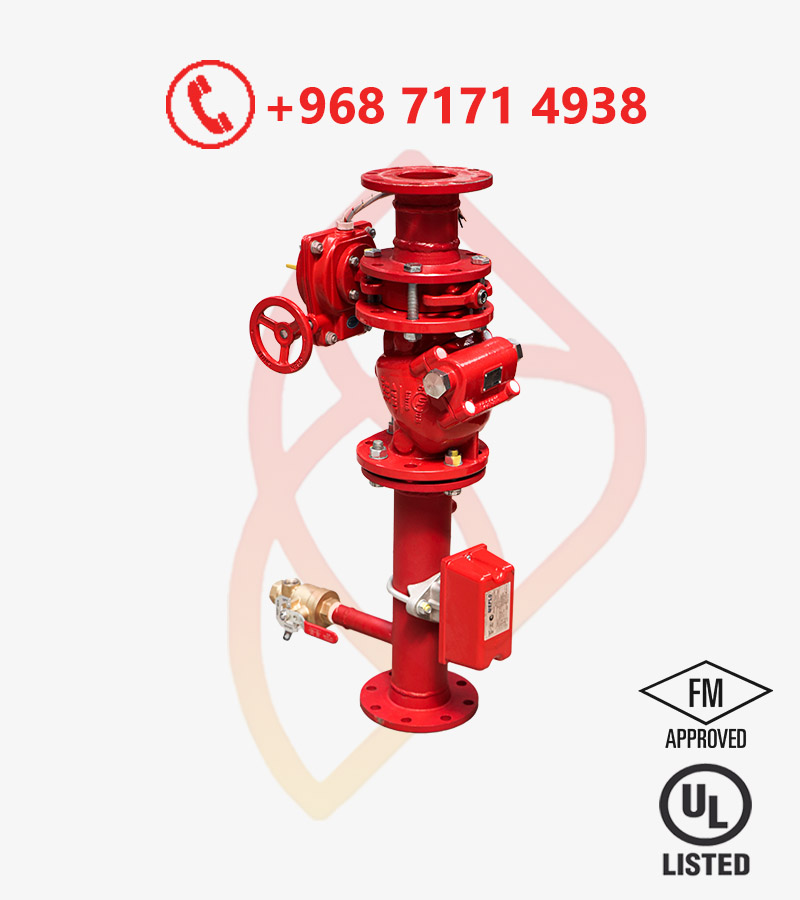
Firefighting Valves
Firefighting systems are built around one core principle: controlled water delivery when it matters most. At the heart of this control system lies a network of valves that regulate, isolate, and direct water flow across different fire protection setups. Without these components, even the most advanced suppression systems cannot function reliably in an emergency.
The Firefighting Valves category at Derafire includes a wide range of certified control valves designed for sprinkler systems, hydrant networks, and fire suppression pipelines. Each valve is engineered to ensure safe operation, precise flow control, and full compliance with international fire safety standards used in commercial and industrial fire protection systems.
Product Overview
Firefighting valves are mechanical components used in fire protection systems to control the flow of water or other extinguishing agents within pipelines. They are installed as part of fire safety networks to ensure that the system can be properly opened, closed, or regulated when needed.
These valves are used in different types of fire suppression systems, helping to support safe and efficient operation in both normal conditions and emergency situations.
In the next section, we will look at the specifications and different types of firefighting valves in more detail.
Specifications & Types of Firefighting Valves
In a fire protection system, valves are not just mechanical parts—they are the decision points that control how water moves, where it goes, and how the entire system responds in critical moments. A properly designed valve network ensures that every section of the system performs exactly as intended when it is needed most.
The Firefighting Valves category at Derafire brings together a complete set of certified components designed to handle different control, monitoring, and flow regulation functions within fire suppression systems. Each product is built for reliability under pressure and compliance with international fire safety standards.
Types of Firefighting Valves
The Firefighting Valves category at Derafire includes the following products:
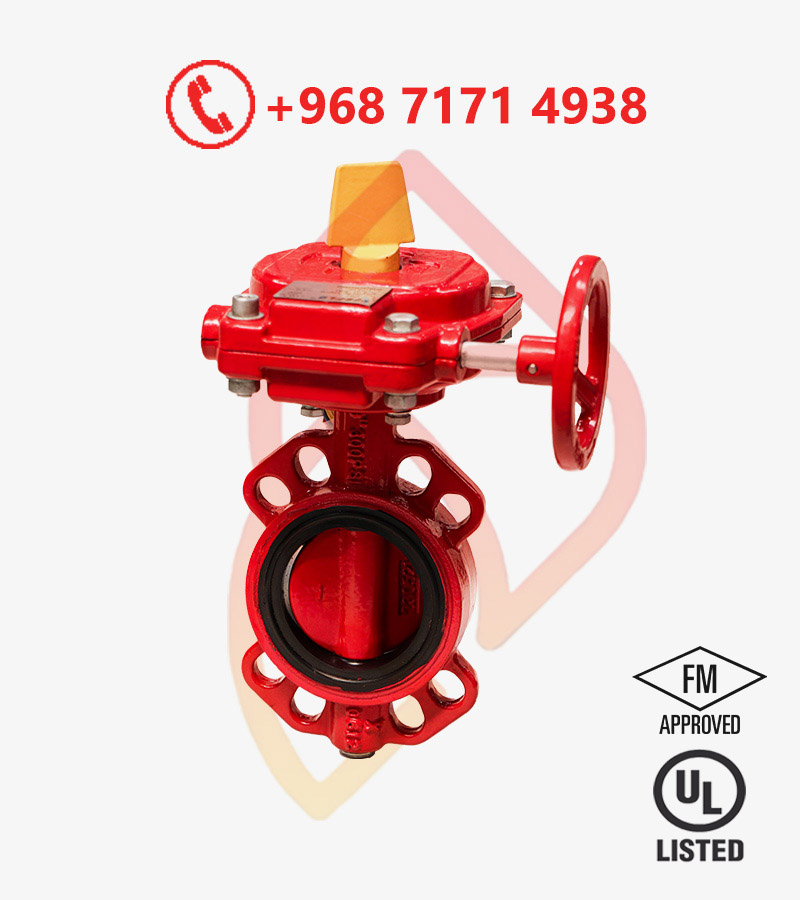
• Butterfly Valve – Used for flow isolation and control in large-diameter fire protection pipelines.
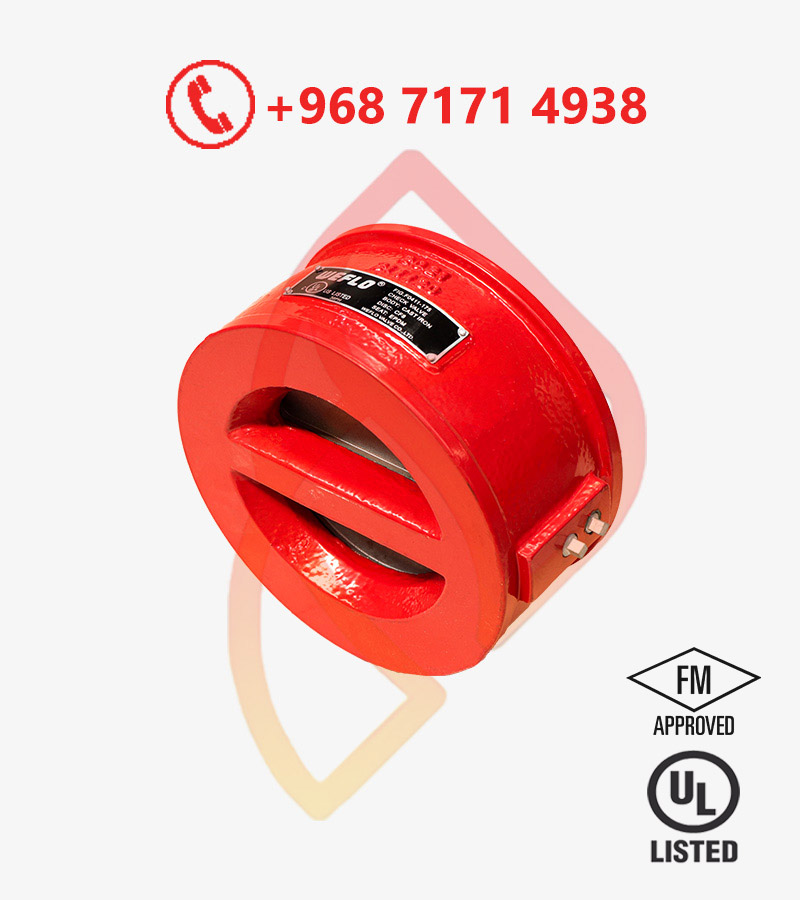
• Double Door Check Valve – Designed to prevent backflow while ensuring efficient water passage.
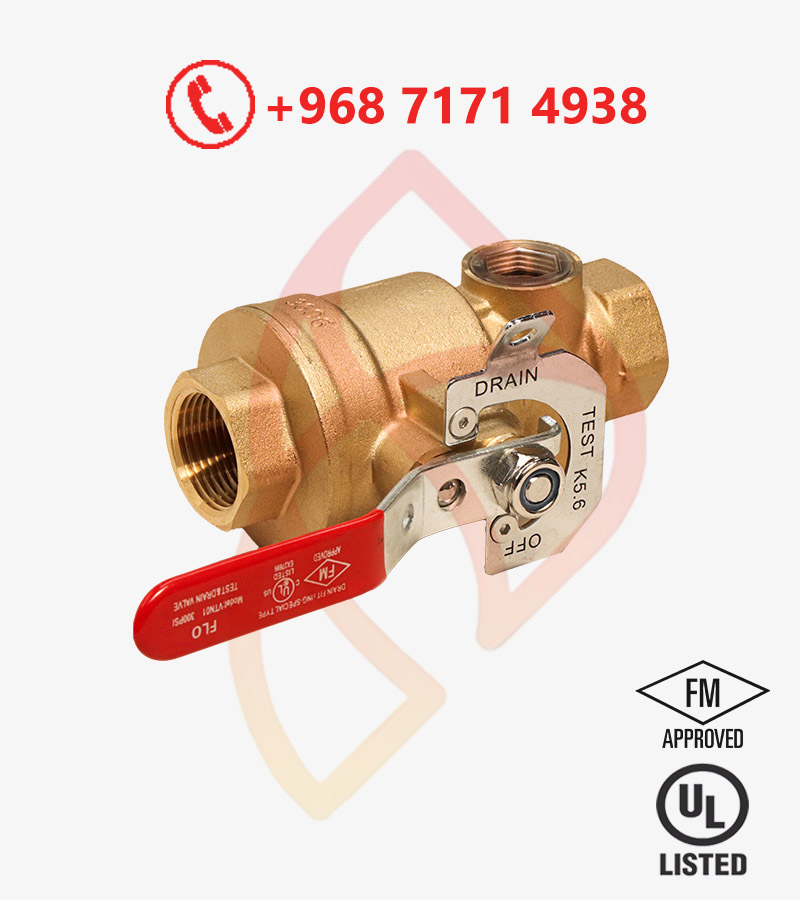
• Flowcom Test and Drain Valve – Combines testing and drainage functions in fire sprinkler systems.
• Manometer Pressure Gauge (Model PG01) – Used to measure and monitor system pressure levels.
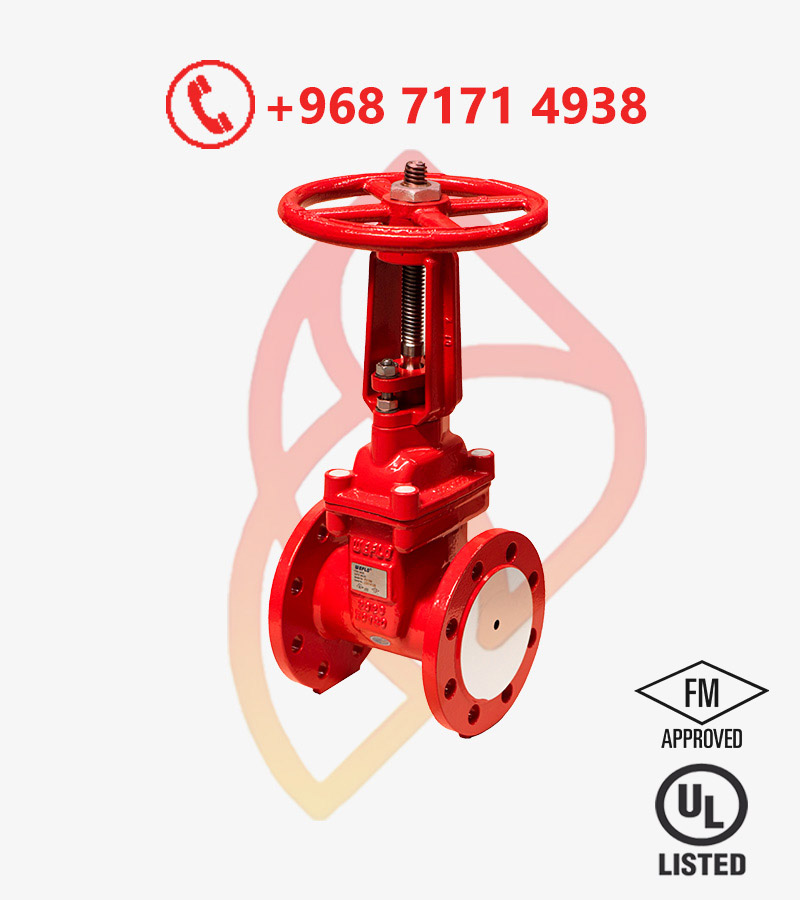
• OS&Y Resilient Seated Gate Valves – Visual indicator gate valves used for reliable on/off control in fire systems.
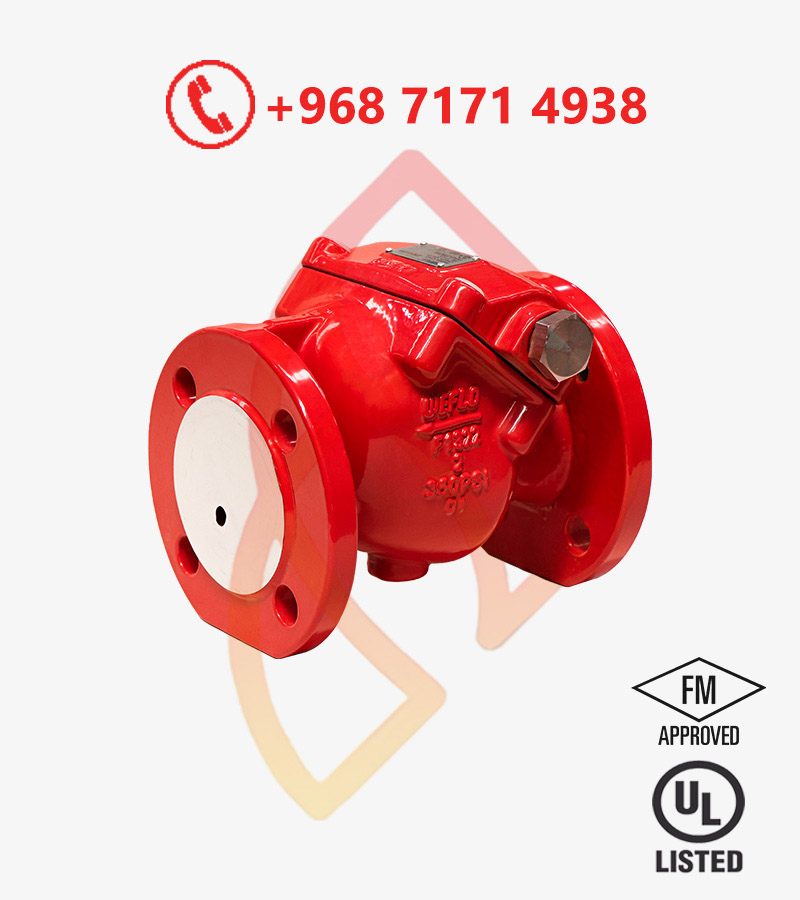
• Weflo Swing Check Valve – Prevents reverse flow using a swing mechanism for dependable operation.
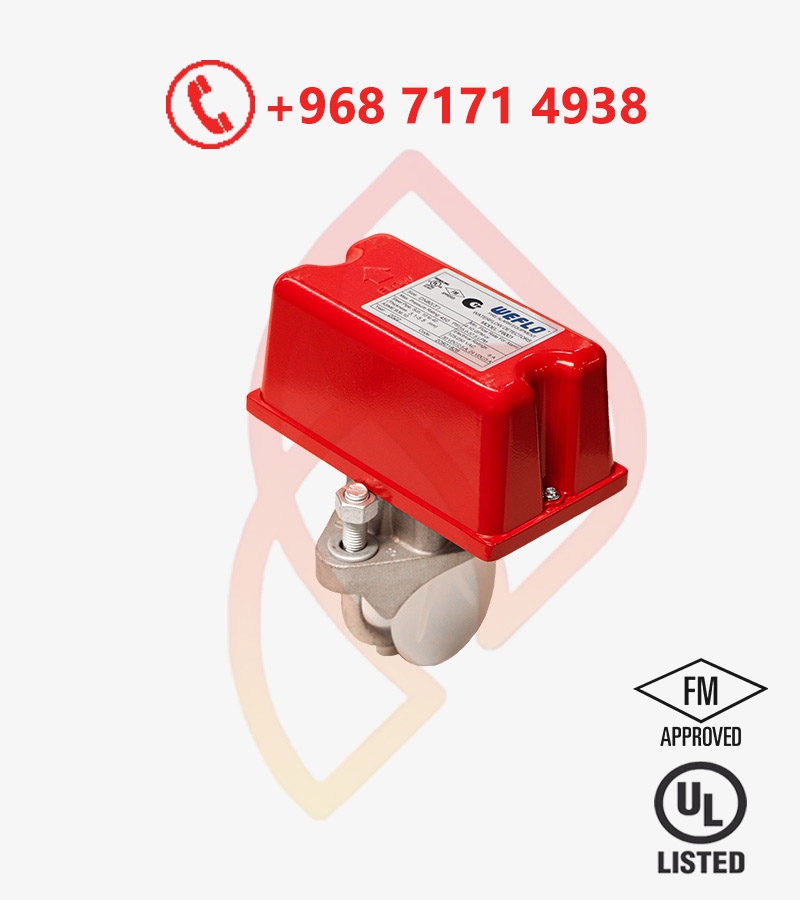
• Weflo Water Flow Detector – Detects water movement in sprinkler systems and triggers alarm signals.
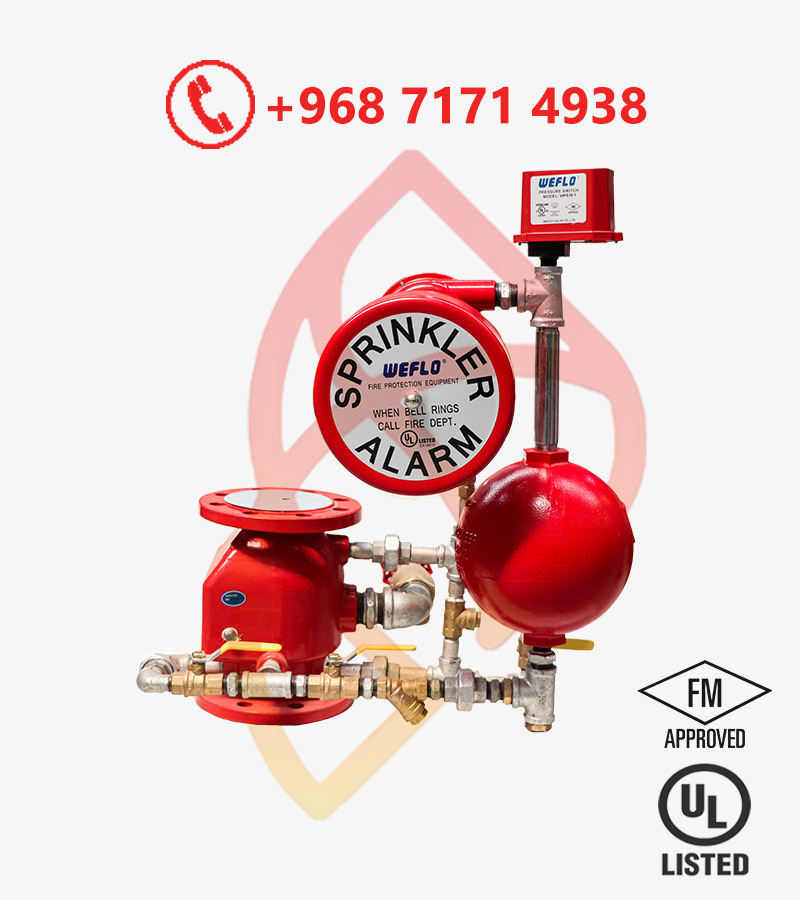
• Weflo Wet Alarm Check Valve – Used in wet sprinkler systems to activate alarms during water flow.
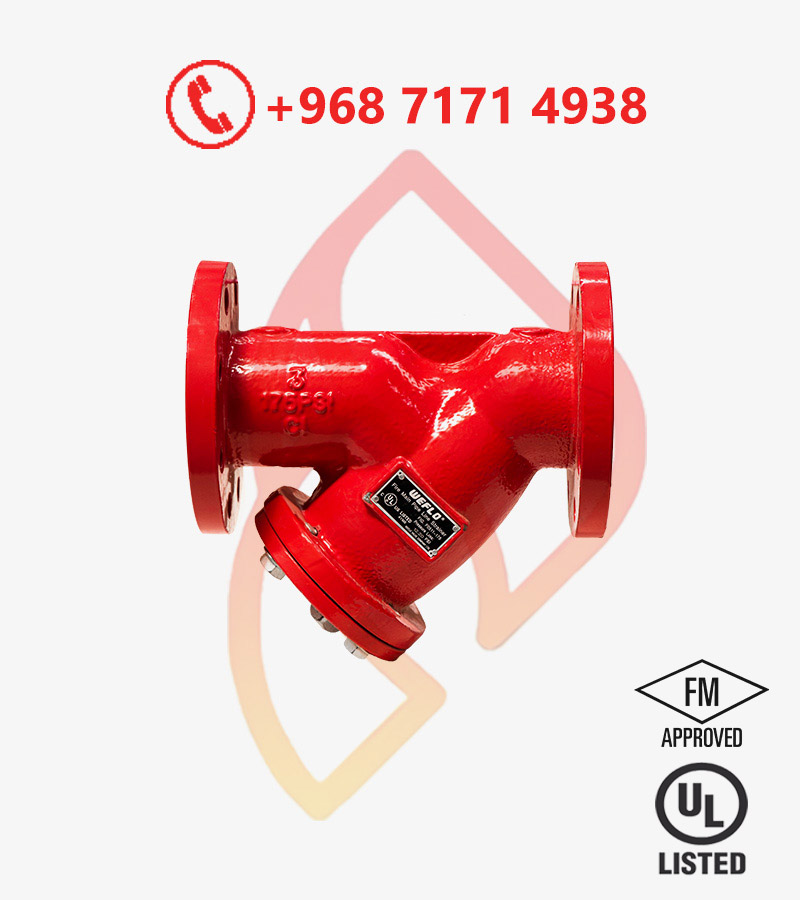
• Y-Type Strainer (Flanged) – Filters debris from water lines to protect system components.
• Zone Control Valve – Allows sectional control of fire protection systems for maintenance and emergency management.
Each Firefighting Valve plays a distinct role in maintaining system stability, ensuring that fire protection networks operate with precision, safety, and full reliability across different applications.
Buying Guide – Choosing the Right Firefighting Valve System
Selecting firefighting valves is not just a purchasing decision—it is a critical engineering choice that directly affects how a fire protection system performs under pressure. In emergency situations, every valve must respond instantly, operate precisely, and support the overall integrity of the system without failure.
Because fire protection networks vary widely in design and application, Buying the Firefighting valve requires understanding both the system requirements and the operational environment. A well-matched valve setup ensures smooth water flow control, reliable isolation, and effective system response when it matters most.
What to Consider Before Selection
Before choosing a firefighting valve, several key factors should be evaluated carefully:
• System type (sprinkler, hydrant, or combined fire protection network)
• Flow control requirements (isolation, regulation, or backflow prevention)
• Pressure conditions and pipe diameter compatibility
• Installation environment (industrial, commercial, or infrastructure projects)
• Required monitoring or alarm integration
• Compliance with fire safety standards and project specifications
Each of these factors plays a role in ensuring that the selected valve performs reliably within the full fire protection system.
Why Selection Matters
An incorrectly selected valve can compromise system efficiency, delay response time, or reduce overall fire suppression effectiveness. On the other hand, a properly engineered valve configuration enhances system stability, improves safety performance, and ensures compliance with international fire protection requirements.
Professional Support from Derafire
At Derafire, firefighting valve selection is supported with technical expertise to ensure every project receives the right combination of components. From system design to final installation planning, the goal is to match each valve with its exact operational role within the fire protection network.
Firefighting Valve prices
In purchasing firefighting valves, one of the most important factors that is always taken into consideration is the price. However, in fire protection systems, pricing is never evaluated in isolation—because the final cost is directly influenced by technical specifications, system requirements, and project scale.
Firefighting valves are engineering components used in safety-critical environments, so their pricing depends on multiple variables rather than a fixed value. Each project may require a different combination of valve types, materials, and pressure ratings, which directly affects the final quotation.
What Influences the Price?
Several key factors determine the cost of firefighting valves:
• Valve type and technical function
• Material of construction (ductile iron, brass, etc.)
• Size and pressure rating requirements
• Certification standards (UL/FM compliance)
• Quantity and project scale
• System design and application type
Because of these variables, pricing is typically calculated on a project-by-project basis rather than a standard price list.
Project-Based Pricing Approach
For fire protection systems, a tailored pricing approach ensures that each project receives the most suitable and cost-effective solution. Larger industrial or infrastructure projects may benefit from optimized pricing structures based on volume and system integration requirements.
Accurate pricing is only possible when full technical specifications are reviewed, ensuring that the selected valves match the exact needs of the fire protection system.
Derafire provides customized pricing for firefighting valve solutions based on project specifications and technical requirements. Our team ensures that every quotation is aligned with system design, safety standards, and operational needs.
اشترك واحصل على أخبار حول شركة الشیلد
سيتم استخدامه وفقًا لسياسة الخصوصية الخاصة بنا.
 استيراد