


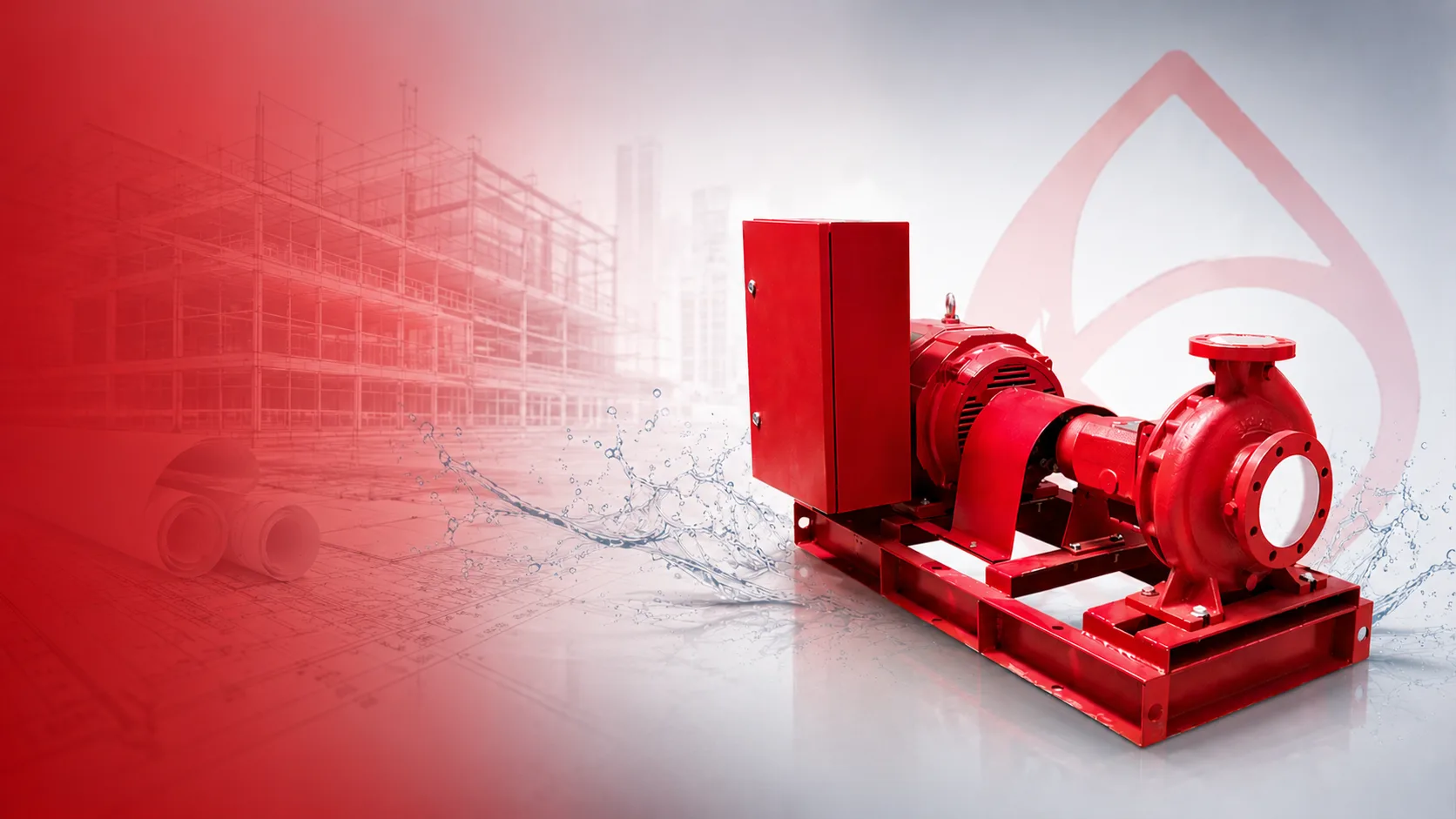

Fire protection is no longer just about installing sprinklers or keeping fire extinguishers on-site. Modern buildings rely on integrated fire safety systems that must respond instantly and efficiently when an emergency occurs. Among all these components, one piece of equipment plays a vital role in ensuring the entire system performs as expected—the Fire Pump.
An electric fire pump is designed to provide the water pressure required for fire protection systems when the existing water supply is not sufficient. From commercial buildings and industrial facilities to hospitals and high-rise towers, these pumps help ensure that sprinklers and hydrants receive a continuous and reliable flow of water during critical situations. In this article, we’ll explore what an electric fire pump is, how it works, its key components, and why choosing a high-quality product manufactured by Derafire Company can make a significant difference in the performance and reliability of your fire protection system.
What Is an Electric Fire Pump?
An Electric fire pump is a specialized pump driven by an electric motor that supplies the water pressure required for a fire protection system to operate effectively. Whenever the available water pressure from the municipal supply or storage tank is insufficient, the pump automatically boosts the pressure, allowing sprinklers, hydrants, and other firefighting equipment to perform at their designed capacity.
Unlike conventional water Pumps, electric fire pumps are engineered exclusively for emergency fire protection applications. They remain on standby under normal conditions and are activated automatically when a significant pressure drop is detected within the fire protection network. This immediate response ensures that water reaches every protected area quickly and with sufficient force, minimizing the risk of fire spread.
Because of their reliability, energy efficiency, and rapid response, Electric fire pumps have become one of the most widely used solutions in commercial buildings, industrial plants, warehouses, hospitals, airports, and other facilities where maintaining continuous water pressure is essential for life safety and property protection.
In the following sections, we’ll take a closer look at how an electric fire pump works, its main components, and the factors to consider when selecting the right system for different fire protection applications.
How does an Electric Fire pump work?
The principle of operation of an Electric Fire Pump is based on a simple goal: to maintain sufficient water pressure throughout the fire protection system in the event of an emergency. Although the system remains inactive during normal operating conditions, it constantly monitors the water pressure within the pipeline to ensure that it is always ready to respond.
When a fire sprinkler opens or a fire hydrant begins to discharge water, the pressure within the system immediately decreases. This pressure change is detected by the fire pump controller, which automatically sends a signal to turn on the electric motor. Within seconds, the pump begins to deliver water at the required pressure and flow rate, ensuring that each firefighting component receives the hydraulic support it needs.
Once activated, the electric Fire Pump continues to operate until the fire emergency is resolved and the system is manually shut down by authorized personnel. This uninterrupted operation is crucial, as maintaining a stable water supply can significantly improve the effectiveness of fire suppression efforts and help prevent the spread of fire.
To achieve reliable performance, the pump works with several essential components, including an electric motor, controller, pressure sensors, valves, and water supply. Each part plays a specific role in ensuring the entire fire protection system responds quickly, safely, and efficiently in an emergency. For facilities that require reliable, standard-compliant pumping solutions, choosing a high-quality Fire pump is essential. The Electric Fire Pump product manufactured by Derafire is engineered to deliver excellent performance, making it a reliable solution for commercial, industrial, and infrastructure fire protection projects.
Key Components That Keep an Electric Fire Pump Running
An Electric Fire Pump is far more than a single piece of equipment. It is a coordinated system of mechanical and electrical components that work together to ensure reliable water delivery when every second counts. Each component has a specific responsibility, and the failure of even one part can affect the overall performance of the fire protection system.
The most important components of an Electric fire pump include:
- Electric Motor
- Pump Assembly
- Fire Pump Controller
- Pressure Gauges and Sensors
- Suction and Discharge Piping
- Control Valves
- Power Supply System
When these components operate together as an integrated system, the result is a reliable Fire Pump capable of delivering consistent performance under the most demanding conditions. This is why selecting a product manufactured by Derafire Company means investing in a solution that combines high-quality engineering, dependable operation, and compliance with international fire protection standards.
Final thoughts
Choosing the right fire protection equipment is not only about meeting technical requirements, but also about investing in long-term safety, operational reliability and peace of mind. As fire safety standards evolve, choosing equipment from reputable manufacturers is increasingly important to ensure reliable system performance over the life of a project.
Whether you are designing a new fire protection system or upgrading an existing one, working with high-quality, certified equipment can significantly improve the efficiency and resilience of your fire safety strategy.
At Derafire, we are committed to providing advanced fire protection solutions that meet the needs of modern commercial, industrial and infrastructure projects. If you are looking for a reliable electric fire pump or would like to review a fire pump product manufactured by Derafire, visit our product page to learn more about the solutions available and find the right system for your project.
 Importation