


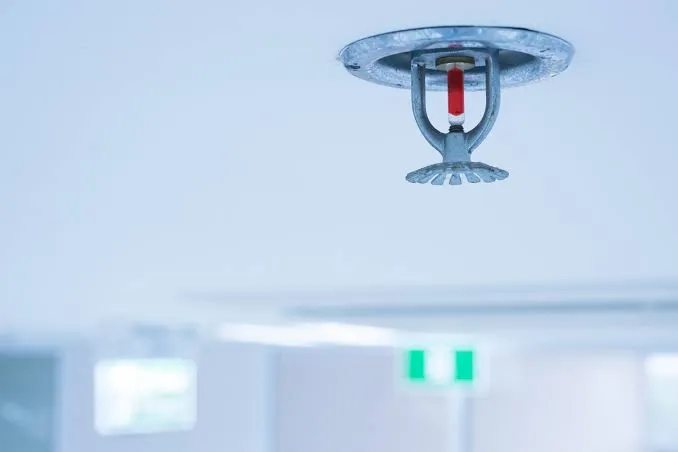

Commercial buildings today are becoming increasingly complex in structure, occupancy, and fire risk levels. As a result, fire protection systems must be designed with much higher precision and reliability to ensure effective emergency response. In this context, a properly engineered Fire Sprinkler system plays a vital role in controlling fire spread and protecting both lives and property across large-scale facilities.
Selecting the right Firefighting Sprinkler system is not only a technical decision but also a critical safety investment. Engineers and facility managers must consider system performance, building usage, and compliance with safety standards to ensure optimal protection. In this article, we will explore the key considerations for choosing the right system for commercial buildings and how reliable solutions from Derafire can support modern fire protection requirements.
Key Factors to Consider Before Choosing a Fire Sprinkler System
Selecting the right Fire Sprinkler system for a commercial building requires a structured engineering approach rather than a simple product comparison. Each building has unique fire risks, operational conditions, and regulatory requirements that directly influence system performance. Understanding these key factors helps ensure that the chosen Firefighting Sprinkler system delivers reliable protection in real emergency situations.
The most important factors to consider when selecting a firefighiting sprinklers are discussed below.
Building Type and Fire Risk Level
The first and most important factor is the classification of the building and its fire risk profile. A high-rise office building, for example, has very different protection needs compared to a warehouse, shopping mall, or industrial facility. Fire load, occupancy density, and evacuation complexity all affect how the system should be designed and distributed.
Water Supply and Hydraulic Performance
Even the most advanced fire sprinkler system cannot function effectively without a stable and sufficient water supply. Engineers must evaluate available pressure, flow rate, and storage capacity to ensure the system can operate under full emergency conditions. In many commercial projects, additional components such as pumps and control systems are required to achieve the desired hydraulic performance.
System Zoning and Coverage Design
Proper zoning is essential for maintaining control and efficiency within a fire protection network. Dividing a building into multiple sprinkler zones allows for better water distribution, faster response, and easier maintenance. This approach also helps isolate specific areas without disrupting the entire system, improving both safety and operational flexibility.
Compliance with Fire Safety Standards
A professional fire protection system must comply with international standards and local fire codes. These regulations ensure that the system is designed, installed, and tested according to strict safety requirements. Compliance is not only a legal obligation but also a guarantee of system reliability and performance under emergency conditions.
Integration with High-Quality Components
The overall performance of a Firefighting Sprinkler system depends heavily on the quality of its components. Valves, pumps, detectors, and control systems must work together seamlessly to ensure consistent operation.
Choosing certified and engineered products, such as those provided by Derafire, helps improve system reliability and long-term durability in demanding commercial environments.
Types of Fire Sprinklers in Derafire
The Fire Sprinkler category includes several sprinkler head types designed to provide effective fire suppression in different building layouts and installation conditions. Each type is engineered to respond to heat activation and distribute water in a specific spray pattern, ensuring optimal coverage and protection in commercial and industrial environments.
KSFCO Concealed Sprinkler
The KSFCO Concealed Sprinkler is designed for modern architectural spaces where aesthetics and fire protection must work together. It is installed above the ceiling and remains hidden under a cover plate, which drops when activated by heat. This makes it ideal for hotels, offices, and commercial buildings where visual appearance is important without compromising fire safety.
Pendent Fire Sprinkler
The Pendent Fire Sprinkler is one of the most commonly used types in fire protection systems. It is installed facing downward from the ceiling and distributes water in a circular pattern when activated. Due to its efficient coverage and reliable performance, it is widely used in offices, retail spaces, warehouses, and residential buildings.
Sidewall Sprinkler
Sidewall Sprinklers are installed on walls near the ceiling and are designed to spray water in a half-circle pattern. They are typically used in areas where ceiling installation is not practical or where wall-based coverage is more effective, such as corridors, hotel rooms, and narrow spaces.
Upright Fire Sprinkler
The Upright Fire Sprinkler is installed in an upward position and is commonly used in areas with exposed piping or industrial environments. It distributes water upward into a deflector, which then spreads the spray over a wide area. This type is especially suitable for warehouses, factories, and mechanical spaces.
Each of these Fire Sprinkler types is designed for specific installation conditions and fire protection requirements. Selecting the right configuration ensures optimal system performance and reliable fire suppression in critical situations. High-quality sprinkler solutions from Derafire are engineered to deliver consistent performance and meet modern fire safety standards across commercial and industrial projects.
Summary
Choosing the right Fire Sprinkler system for commercial buildings is a critical decision that directly impacts the safety, performance, and reliability of an entire fire protection strategy. It requires a clear understanding of building risks, system design, and operational conditions to ensure that the selected Firefighting Sprinkler can respond effectively in real emergency situations.
High-quality components and engineered systems play a key role in achieving long-term reliability and compliance with fire safety standards. The products offered by Derafire are designed to support modern fire protection requirements and help engineers and facility managers build efficient and reliable fire sprinkler systems for commercial and industrial applications.
 Importation